
Trust me, first variations are the easiest.
I decided to make this website so it's easier to learn this opening both for you and me!
If I just sent gifs, you wouldn't understand the purpose of the moves.
Here we have the center game (1.e4 e5 2. d4)

aand we are in this position!
After black either plays d6 or Be2 we will play Nc3 to develop our knight. After they play either d6 or Be2 (transpositioning from the previous moves) we will target the weak g7 pawn with Qg3. Then both sides will castle. At the end we will have the same position.

Final position
Your opponent might also play 5... b6. In that case we... play Nc3 again. It's almost like a system because after they play Bb4 we put our queen on g3 again and both sides are going to castle again. Not the same position but your pieces are in the same place. Easier to memorize, isn't it?

Final position
Since two lines are the exact same I added an extra one which is 5... Bb4, pinning our bishop. But we can just play a3 and after they take our bishop we take it with our knight. Aand both sides castle. As you can see black doesn't do anything that difficult to block.
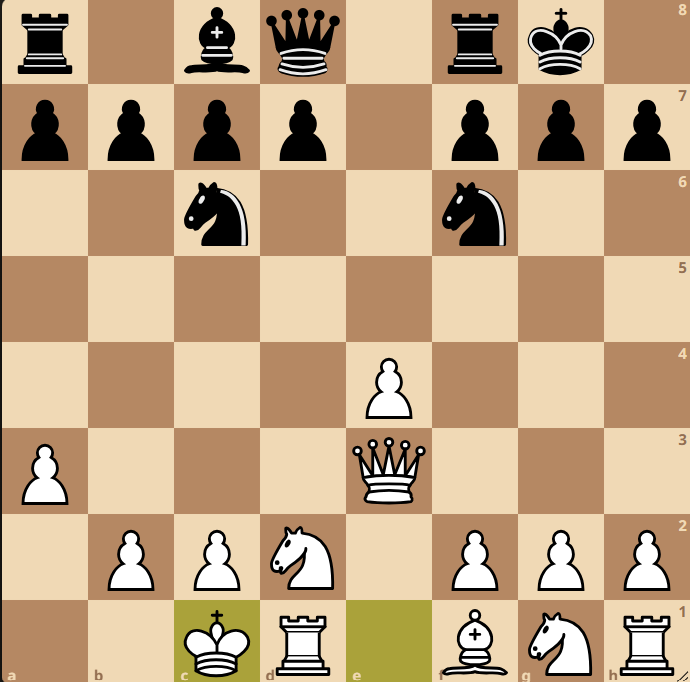
Final position
And now... what if our opponent doesn't take?

Very interesting...
Black gives us the opportunity to kick their knight away with d5. If they move their knight to e4, we play c3 and the knight is trapped.
So they move their knight to e2 and we solidify our structure with c4. Now, if they play Ng5 (because honestly, what else can they play?) we play Be3. After their g8 knight develops with Nf6 we play f3 to solidify our pawn chain and limit the f6 knight from moving to g4. Bb4+ is met with Nd2, which after black castles we play a3.

Final position
After we play c4, our opponent may also play d6, in which we will calmly develop our knight to f3. Then most played move by black is f4. We protect our pawn and develop our bishop with Bd3. Nf6 and we play Bg5, putting pressure on the knights on the same diagonal. Most played move is fxe4. if they play anything else except Ng6 (which hangs the f5 pawn) we will take on f6. After fxe4 you just trade the pieces (7...fxe4 8. Nxe4 Nxe4 9.Bxe4). Normally our line ends here with the position below.

Final position(?)
However, if you opponent tries to kick our bishop away with h6 (most common move), we play Bg6+ and earn a queen because if the king moves to d7 after Qg4 we have a forcing checkmate sequence (Qg4+ Nf5 Qxf5#)

Checkmate!